
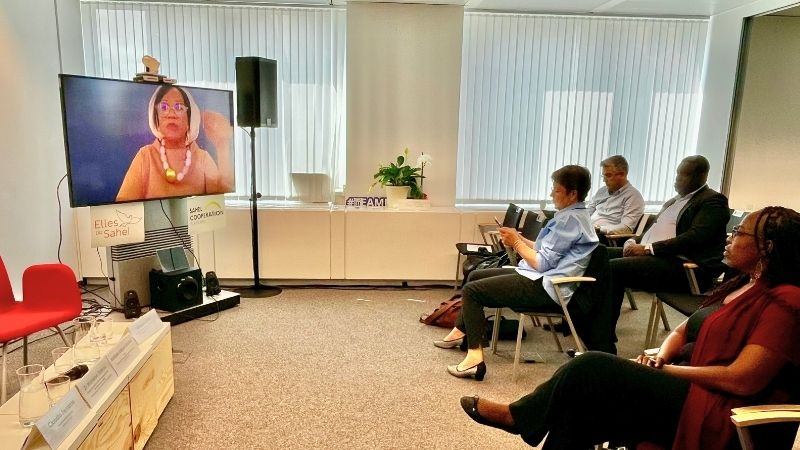
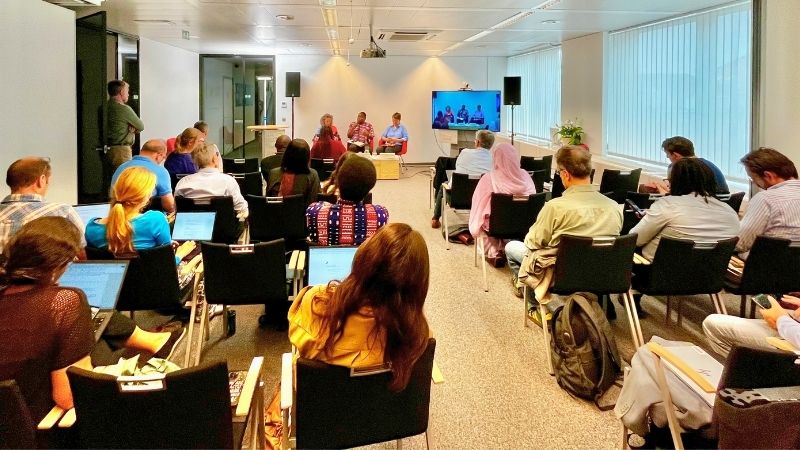
On 2 July 2026, around forty experts, institutional representatives and practitioners gathered to examine the role of women and young people in the governance of pastoral systems in the Sahel. The roundtable, entitled “Pastoral Dynamics in the Sahel: Gender, Inclusion and Tailored Responses for Mobile Pastoralist Communities”, was co-organised by the Sahel Cooperation Platform and the Elles du Sahel network.
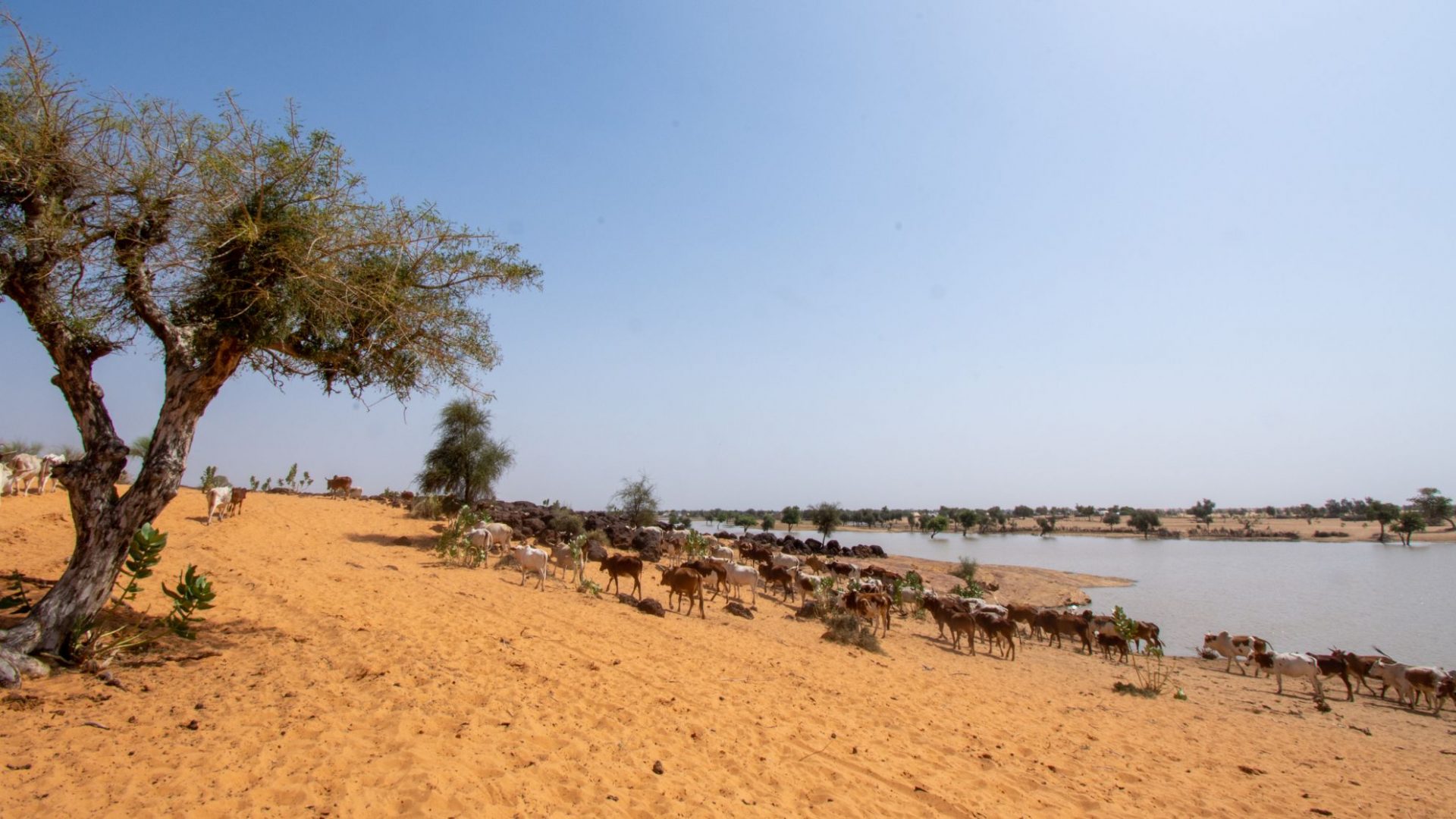
Pastoralism remains a pillar of rural economies in the Sahel: it enables herders to make the most of natural resources spread across vast territories, often straddling national borders, and provides a livelihood for millions of people. However, pastoral systems are currently undergoing profound changes. Climate change, land pressure, population growth and security crises are hampering herders’ mobility and exacerbating the vulnerability of communities.
In her opening remarks, Nana Touré, Director of the Secretariat of the Sahel and West Africa Club (CSAO/OECD), set out the framework for the discussions. She suggested that, pastoralism must be recognised as a resilient economic, ecological and social system, and herd mobility as a driver of food security. Pastoralism should be particularly seen under the lenses of cross-border governance, which calls for coordinated management between neighbouring countries and territories. Finally, she pointed out that the lack of gender mainstreaming in pastoral policies remains a blind spot.
Pastoral dynamics in the Sahel, from a gender and inclusion perspective
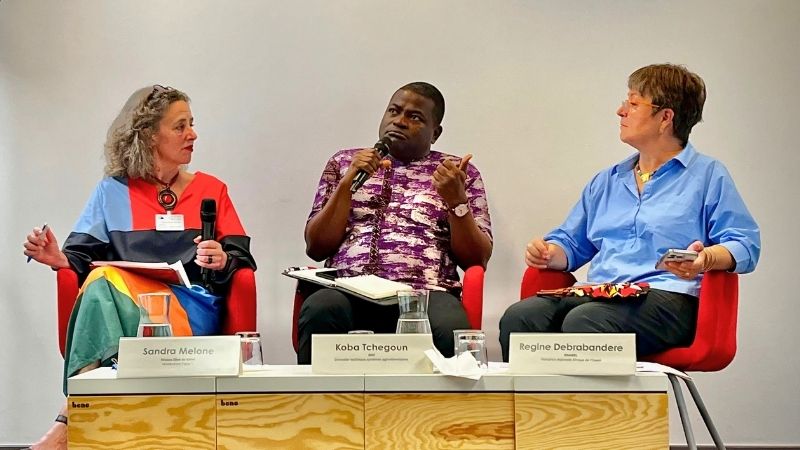
The first panel brought together:
- Ornella Moderan, Senior Advisor for the Sahel and West Africa, Centre for Security Sector Governance (DCAF)
- Sidpawalemdé Sabine Bouda Sawadogo, sociologist, gender adviser, member of the ‘Elles du Sahel’ network
- Koba Tchegoun, technical advisor on agri-food systems, SNV
- Régine Debrabandere, regional manager for West Africa, ENABEL
- Dr Abdou Mahamat, Deputy Director of Pastures and Livestock Infrastructure, Ministry of Livestock, Fisheries and Animal Industries (Cameroon), focal point for the GIZ-PETRADEP project
The discussions highlighted the economic and social role of women in pastoral systems: their contribution is central but largely unrecognised, while their access to land, credit and equipment often remains limited.
Speakers also highlighted the sector’s declining appeal to young people, who face negative stereotypes about livestock-related professions and are often tempted by urban migration. Access to training, information and markets was identified as a key lever for reversing this trend.
The panel emphasised a methodological consideration: genuine inclusion requires prior social assessments and mechanisms to ensure the effective participation of women and young people. Otherwise, there is a risk of inadvertently reinforcing the dynamics of exclusion that it seeks to correct. Finally, panelists established a link between the devaluation of the pastoral profession and stigmatisation of certain nomadic communities, calling for responses based on dialogue.
Operational responses and inclusive practices
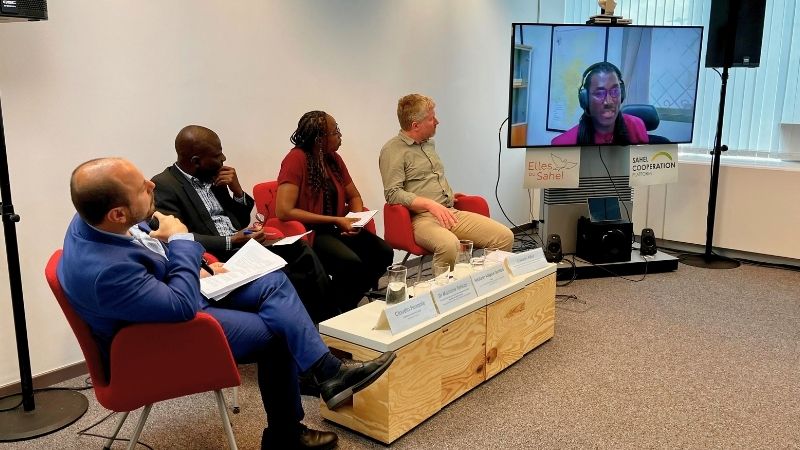
The second panel, focusing on operational responses, brought together:
- Dr Mamane Tahirou, Head of the Legal Affairs and Litigation Department, Liptako-Gourma States Integrated Development Authority (ALG)
- Habibata Adigoun, Regional Expert on Gender and GBV, Permanent Inter-State Committee for Drought Control in the Sahel (CILSS)
- Erwann Fillol, Regional Advisor on Monitoring and Data Analysis, Action Against Hunger Spain
- Koffy Kouacou, Acting Country Representative in Mali, Food and Agriculture Organisation of the United Nations (FAO)
- M’Bara Adiawiakoye, Country Director for the Sahel and Benin, Search for Common Ground
During discussions, panelists outlined three considerations. Firstly, improving pastoral governance relies on the collection of reliable data, combining field observations and satellite tools, but also on ensuring this data is disseminated rapidly and made accessible to pastoral communities. This approach must involve women and young people in the collection, analysis and use of data, while reducing the digital divide that limits their access to mobile applications and other information tools.
Secondly, the effective participation of women in decision-making bodies yields positive effects that go beyond mere representation, particularly in economic and community terms. However, for this inclusion to be effective and sustainable, men, who still dominate decision-making processes and retain control over resources, must actively be involved.
Thirdly, cross-border community mechanisms and local agreements are effective tools for coordinating the collaborative management of natural resources. Their ability to deliver specific results, even in a deteriorating security context, underlines the importance of supporting local cooperation initiatives and governance structures established by the communities themselves.
From corridors of mobility to corridors of stability
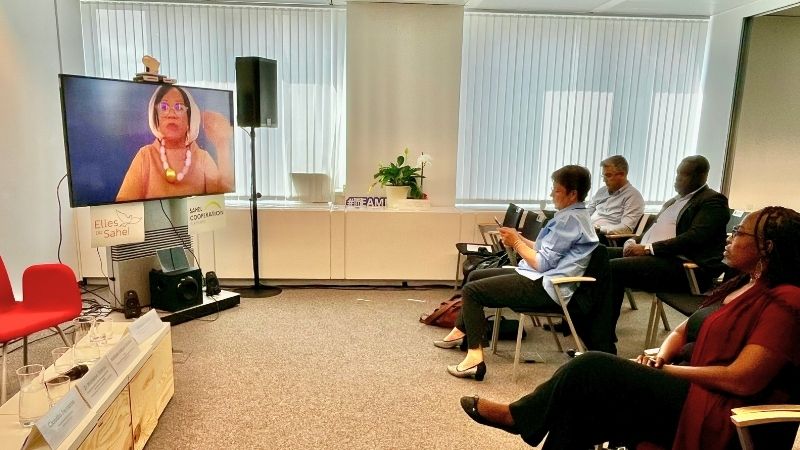
In her concluding remarks, Nana Touré delivered the key messages drawn from the day’s discussions. Pastoralism must no longer be viewed through the prism of vulnerability. She noted that this does not simply mean integrating women and young people as project beneficiaries. It requires them to actively participate in decision-making. She then emphasised the importance of institutionalisation:
Projects sometimes produce remarkable results, but our collective challenge now is to move from projects to a system.”
She also called for an integrated vision of the major transhumance corridors: “A well-governed pastoral corridor […] is also a corridor of stability,” she asserted, emphasising that organised and secured mobility reduces tensions over resources and offers young people a real alternative to the systemic economy of violence.
Reflecting on the role of women in these dynamics, she concluded: “This corridor also has a woman’s face.” A phrase that sums up the spirit of the meeting: recognising the very real contribution women already make to pastoral value chains, whilst strengthening their participation in decision-making bodies.
The conclusions were translated into a set of recommendations covering different areas and addressed to national and regional institutions, as well as technical and financial partners.